
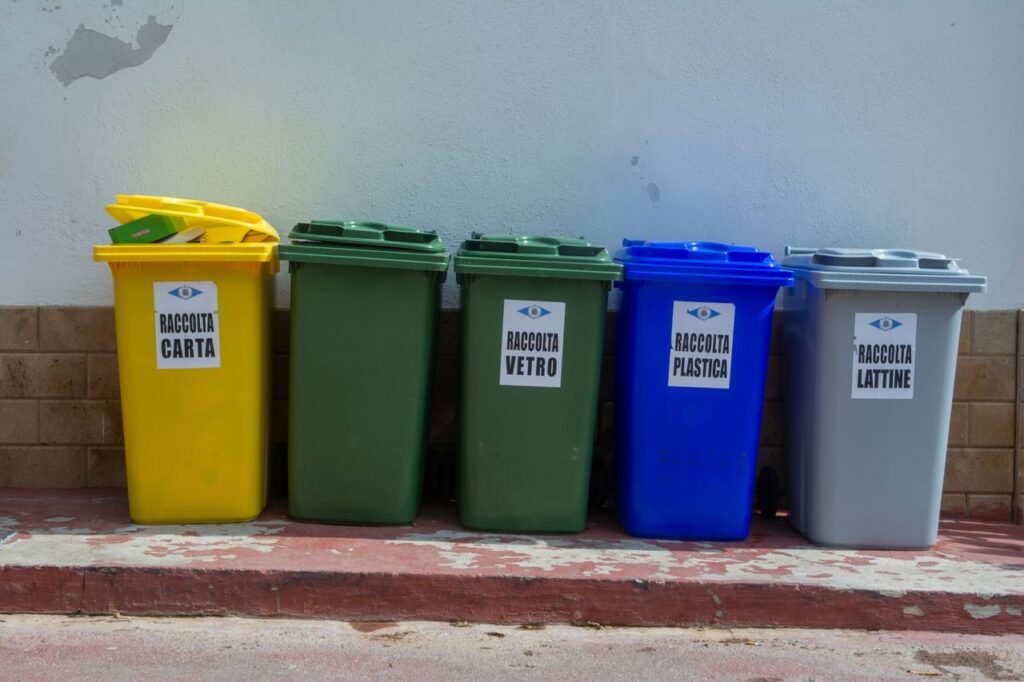
Circular Economy in Action: How Corporations Are Turning Waste into Value
This article follows that human thread. It tells the story of how corporations are redesigning products, building take‑back systems, investing in remanufacturing, and partnering with cities and communities to close material loops.
On a humid morning in a busy neighborhood, a small shopkeeper watched a customer hand over a battered blender for repair. The shopkeeper smiled, took the appliance behind the counter, and promised to have it working by the end of the day. Down the road, a courier loaded a crate of used plastic containers collected from apartment blocks into a van bound for a local processing hub. At the hub, a team of sorters and technicians separated, cleaned, and graded the plastics; some items were destined for refurbishment and resale, others for conversion into pellets that would feed a nearby factory. These everyday scenes — repair, collection, sorting, and reuse — are the human threads of a larger transformation. They show how the circular economy is not an abstract policy or a distant ideal but a set of practical choices and systems that let materials keep circulating, create local jobs, and turn what was once waste into value.
This article follows that human thread. It tells the story of how corporations are redesigning products, building take‑back systems, investing in remanufacturing, and partnering with cities and communities to close material loops. It explores the practical benefits and the real challenges, and it highlights the small decisions — a design tweak, a logistics partnership, a training program — that make circular strategies work at scale. Above all, it keeps the focus on people: the technicians, the shopkeepers, the factory workers, and the consumers whose daily choices add up to systemic change.
The Moment of Realization: When Waste Becomes a Problem and an Opportunity
A few years ago, a mid‑sized manufacturer in a manufacturing district treated returned products and production offcuts as a disposal problem. Bins filled with broken units and scrap parts accumulated behind the plant. Disposal costs rose, and the company felt the reputational sting when local residents complained about overflowing waste. The turning point came when a young engineer proposed a simple experiment: could the company recover usable modules from returned units and redesign a few components to be easier to disassemble?
The pilot began modestly. A small team set up a bench with tools and a few technicians trained in diagnostics. They salvaged working modules, replaced worn parts, and tested refurbished units for safety and performance. The company also worked with a local recycler to process non‑repairable plastics into pellets that could be used for non‑structural parts. Within months, the pilot reduced disposal volumes, created a new revenue stream from refurbished sales, and lowered procurement costs by reusing salvaged modules. Workers learned new skills in repair and remanufacturing, and the company discovered that closing loops could be profitable.
That story is typical of many corporate journeys into circularity: a practical problem — waste, cost, or customer demand — sparks a small experiment that reveals a broader opportunity. The lesson is simple and human: circular practices often start with curiosity and a willingness to try.
Redesigning for Repair and Reuse
One of the most powerful levers corporations use to turn waste into value is product redesign. When products are designed for repair, disassembly, and material recovery, the economics of reuse change dramatically. A few practical design choices make a big difference:
- Modularity: Designing products as assemblies of replaceable modules makes it easier to repair and upgrade individual parts rather than discarding the whole item.
- Standard fasteners and clear labeling: Using common screws and labeling materials simplifies disassembly and sorting.
- Material choice and traceability: Selecting recyclable materials and embedding material information (through labels or digital tags) helps recyclers recover high‑quality feedstock.
- Design for longevity: Durable components, replaceable batteries, and software that supports updates extend product life.
A consumer electronics firm that adopted modular design found that repair rates rose and refurbished units sold well to price‑sensitive customers. The company also reduced its exposure to volatile raw‑material prices by reusing recovered modules. For consumers, modular products meant lower lifetime costs and less waste; for the company, they meant new service revenues and stronger customer relationships.
Take‑Back Systems and Reverse Logistics
Design alone is not enough. Corporations must also build systems to get used products back into the loop. Take‑back programs and reverse logistics are the operational backbone of circular models. These systems vary in complexity: some companies offer in‑store drop‑offs, others provide prepaid return labels, and some partner with logistics providers to collect items from homes.
A retail chain that launched a nationwide take‑back program learned that convenience matters. When customers could return items at checkout or schedule a pickup, return rates rose and the quality of recovered goods improved. The retailer invested in regional refurbishment centers where technicians repaired and certified used items for resale. The centers became local hubs of employment and skills training. Over time, the retailer reduced procurement costs and built a loyal customer base that appreciated the lower‑cost, certified refurbished options.
Reverse logistics also requires careful planning: sorting centers need to separate items by material and condition, refurbishment lines need standardized testing protocols, and transportation must be optimized to avoid emissions that negate environmental benefits. Corporations that succeed treat reverse logistics as a core operational capability, not an afterthought.
Material Recovery and Remanufacturing
When products cannot be repaired, material recovery becomes the next option. Advanced sorting technologies, chemical recycling, and mechanical processing turn end‑of‑life materials into feedstock for new products. Remanufacturing — restoring used products to like‑new condition — captures even more value by preserving the embodied energy and labor in complex items.
A plastics processor in a regional industrial park invested in a sorting line that used optical sensors to separate polymers by type and color. The processor worked with local municipalities to secure a steady stream of post‑consumer packaging and with manufacturers to specify quality standards for recycled pellets. The result was a reliable supply of recycled feedstock that reduced the need for virgin resin and lowered the carbon footprint of new products. Manufacturers that used the recycled pellets marketed the environmental benefit to customers, creating a virtuous loop of demand and supply.
Remanufacturing is particularly valuable in sectors like automotive and industrial equipment, where components retain significant value after refurbishment. A remanufacturing plant that rebuilt motors and gearboxes found that customers preferred certified remanufactured parts because they offered near‑new performance at a lower price. The plant’s technicians developed deep expertise in diagnostics and quality assurance, and the business model proved resilient even when new‑product sales slowed.
Product‑as‑Service and New Business Models
Circularity also changes how companies sell value. Instead of selling a product once, some firms offer it as a service: leasing, subscription, or pay‑per‑use models keep ownership with the manufacturer, who then has an incentive to design for durability and reuse. These models align incentives: the provider benefits from long product life and efficient recovery, while customers gain access to services without the burden of ownership.
A furniture company that shifted to a leasing model found that customers liked the flexibility of swapping items and the assurance of maintenance. The company retained ownership of materials and could refurbish and redeploy furniture across multiple customers. Over time, the leasing model reduced waste and created steady, recurring revenue. It also encouraged the company to design furniture that was easy to disassemble and reconfigure.
Product‑as‑service models require new capabilities — asset tracking, maintenance logistics, and refurbishment operations — but they can create deeper customer relationships and more predictable revenue streams.
Partnerships: Cities, NGOs, and Local Entrepreneurs
No corporation can close loops alone. Circular systems thrive on partnerships: with municipalities that provide collection infrastructure, with NGOs that run community collection drives, and with local entrepreneurs who operate repair cafes and small‑scale processing hubs. These partnerships create local value and make material streams more reliable.
In one region, a consortium of manufacturers partnered with the city to create a network of collection points for electronic waste. The city provided space and outreach, local entrepreneurs ran collection and repair kiosks, and manufacturers funded refurbishment centers. The program reduced illegal dumping, created jobs, and supplied manufacturers with higher‑quality recovered components. The partnership model showed that aligning incentives across public and private actors unlocks scale.
Jobs, Skills, and Workforce Transition
Circular economy initiatives create a wide range of jobs: collection crews, sorters, repair technicians, remanufacturing engineers, and service managers. These roles often require different skills than traditional manufacturing jobs, emphasizing diagnostics, materials knowledge, and logistics. Corporations that invest in training and apprenticeships help workers transition and build local capacity.
A technical college that partnered with local manufacturers developed a curriculum focused on repair and remanufacturing skills. Students completed internships at refurbishment centers and learned hands‑on diagnostics. Graduates found steady employment in local circular businesses, and companies benefited from a pipeline of skilled workers. Workforce development is a critical piece of the circular puzzle: it ensures that economic benefits are shared and that communities are prepared for new types of work.
Measuring Impact: Metrics That Matter
To move beyond rhetoric, corporations measure circular outcomes. Useful metrics include:
- Material recovery rate: the percentage of materials recovered from end‑of‑life products.
- Product life extension: average increase in product lifespan through repair and refurbishment.
- Avoided virgin material use: tonnes of virgin material displaced by recycled feedstock.
- Carbon avoided: emissions avoided through reuse and recycling compared with virgin production.
- Economic value recovered: revenue from refurbished products and recycled materials.
Companies that publish transparent metrics and third‑party audits build credibility. Measurement also reveals trade‑offs: for example, transporting collected items long distances may increase emissions, so local processing often yields better environmental outcomes.
Avoiding Pitfalls: Greenwashing and Unintended Consequences
Circular initiatives can fail when they are superficial or poorly designed. “Greenwashing” — making exaggerated sustainability claims — undermines trust. Other pitfalls include logistics that increase emissions, low‑quality recycled feedstock that harms product performance, and social programs that exclude local communities.
A credible circular strategy is honest about limits, invests in quality control, and engages stakeholders. It recognizes that some materials are harder to recycle and that systemic change requires coordinated policy, infrastructure, and consumer behavior shifts.
The Consumer Role: Choices That Add Up
Consumers matter. Repair habits, willingness to buy refurbished goods, and participation in take‑back programs determine the quality and quantity of recovered materials. Corporations that make circular choices convenient — easy returns, clear labeling, and affordable refurbished options — see higher participation.
A campaign that educated customers about repair options and offered incentives for returns increased participation in a retailer’s take‑back program. Customers appreciated the convenience and the lower cost of refurbished items. Over time, the retailer saw a cultural shift: customers began to value durability and repairability as part of purchase decisions.
Scaling Up: Policy, Standards, and Investment
Scaling circular systems requires supportive policy: extended producer responsibility rules, incentives for recycled content, and standards for material quality. Public investment in sorting and processing infrastructure reduces barriers for private actors. Standards for material labeling and recycled content make recovered materials more reliable for manufacturers.
Investment is also essential. Building regional processing hubs, remanufacturing centers, and reverse‑logistics networks requires capital. Public‑private financing models, blended finance, and impact investment can accelerate scale while ensuring social benefits.
A Closing Scene: Small Acts, Systemic Change
Back at the market, the shopkeeper handed the repaired blender to the customer and accepted a small fee. The customer left with a working appliance and a sense that repair was a normal option. The courier returned to the processing hub with another load of containers, and the technicians continued their careful sorting. Across the city, factories used recycled pellets in new products, refurbishment centers trained technicians, and municipal collection points filled steadily.
These small, everyday acts — repair, return, sort, remanufacture — add up. When corporations redesign products, invest in take‑back systems, and partner with cities and communities, waste becomes a resource. The circular economy is not a single technology or a single policy; it is a network of human choices and systems that together reshape how we make, use, and reuse the things we need.
For corporate leaders, the practical question is not whether circularity is desirable — it is — but where to start. The most effective starting points are places where circular practices reduce costs, meet customer demand, and create local value: product lines that can be refurbished, materials that can be reliably recovered, and partnerships that secure logistics and skills. Start small, measure honestly, and scale with partners. For communities, the opportunity is to capture jobs and cleaner supply chains. For consumers, the chance is to buy better, repair more, and treat used items as resources rather than trash.
The circular economy is already in action. It is visible in neighborhood repair shops, in regional processing hubs, and in corporate strategies that see value where others saw waste. The future will be shaped by the choices we make today: to design for longevity, to build systems that recover value, and to share the benefits of a more circular world.
Disclaimer: This article is based on publicly available information and independent analysis. It does not represent the views or endorsement